.Obleewebsitelogo-2c8a2b5ab400740d1ec25e2370be34d3f52d9f3ffc27befc28b00de7d02de79c.png)
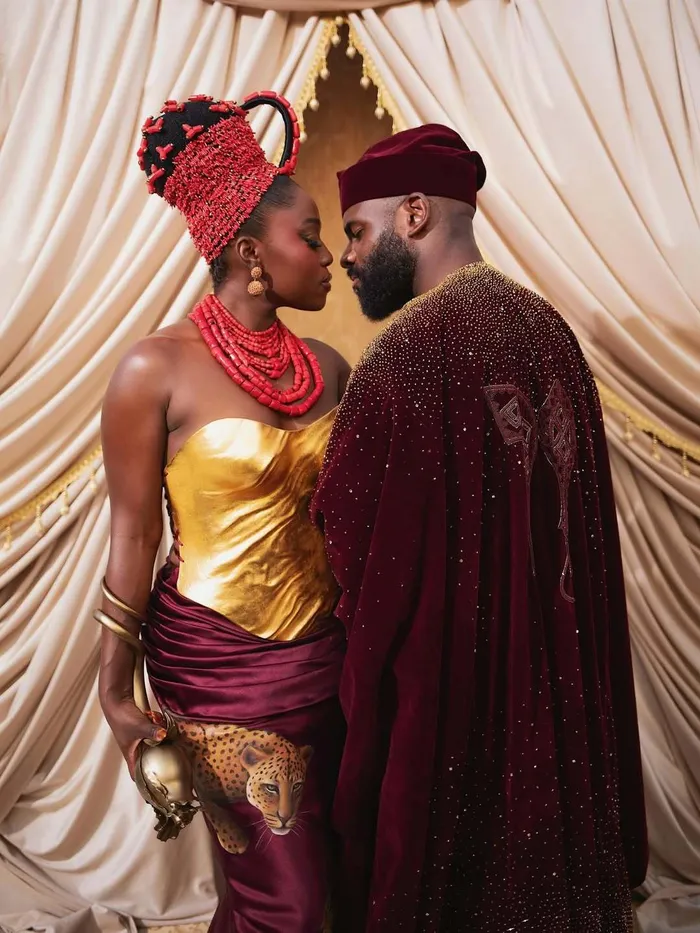
In April 2026, Fisayo Longe — the British-Nigerian founder of Kai Collective and one of the most watched women in African fashion — married Afolabi Mosuro in Lagos. Her hashtag was #NeverGettingMarried. Her wedding was a cultural moment. Here is what it teaches all of us.
For years, Fisayo Longe said she would never get married. Not because she did not believe in love — but because she refused to do anything on anyone else's timeline or terms. She built one of the UK's most successful African-owned fashion brands from a blog. She turned down the corporate career she was trained for. She built a following of women who trusted her eye, her voice, and her refusal to fit a conventional mould.
So when she announced her engagement in May 2025 and followed it with a traditional wedding in Lagos on April 17, 2026, the internet — specifically the African internet — stopped. Not just to congratulate her. To watch. Because when a woman who built her entire identity around doing things her own way gets married, the wedding itself becomes a statement.
It delivered. Completely. And there are five things about how she and Afolabi approached this celebration that every couple planning an African wedding anywhere in the world should study carefully.
She could have had any kind of wedding. She chose culture, completely and with full conviction. That is the lesson.
1. They Chose the Traditional Ceremony as the Centrepiece — Not a Side Event
The #NeverGettingMarried celebration was a traditional wedding. Edo and Yoruba traditions woven together into a ceremony that honoured both of their backgrounds. There was no church as the cultural anchor. There was no white dress as the defining aesthetic. The traditional ceremony was the wedding — and everything, from the fashion to the venue to the music to the aso-ebi, was built around that centre. This is the choice more diaspora couples are beginning to make. Not because they are rejecting modernity — Fisayo Longe is one of the most modern women working in African fashion today — but because they are rejecting the idea that European ceremony formats are more legitimate than African ones. The traditional ceremony is not the cultural warm-up. It is the main event. Fisayo's wedding made this statement loudly and publicly, to an audience of millions.
2. The Fashion Was Rooted in African Aesthetics — And Pushed Them Forward
Fisayo wore multiple looks across the ceremony — each one more striking than the last. A gold metallic breastplate corset with a maroon leopard-print skirt and a coral crown. A neon lime-green silk traditional outfit alongside Afolabi in matching fabric. A strapless crimson and black brocade gown with a dramatic structured bow. An orange and purple embroidered look in front of a vintage yellow convertible. Every single outfit was rooted in African cultural aesthetics — aso-oke, damask, traditional embroidery, gele — and every single one pushed those aesthetics into bold, unexpected new territory. This is what African fashion leadership looks like. Not abandoning the culture for a borrowed European template. Not being trapped in a rigid version of tradition either. But taking what belongs to you and moving it forward from a position of full ownership. The aso-ebi she commissioned for guests was a bespoke Kai Collective fabric that existed nowhere else on earth. It had rewear value. It was fashion, not just wedding cloth.
3. They Turned Their Brand and Identity Into the Wedding — Not the Other Way Around
Most couples adapt themselves to fit the wedding template. Fisayo and Afolabi made the wedding fit them. The Kai Collective brand identity — bold, editorial, culturally rooted, commercially confident — ran through every element of the celebration. They launched a full branded merch store for the wedding: snapbacks, tote bags, exclusive pieces from the Kai Collective range, all branded with the #NeverGettingMarried hashtag and logo. Guests received gift cards on arrival and used them to claim items from the store. Guests left as walking billboards for a love story. This is not something that only works if you are a fashion founder. The principle works for any couple with a strong sense of who they are. Your wedding should look like you — your aesthetic, your cultural identity, your sense of humour, your values. Not a template you downloaded from Pinterest.
4. The Hashtag Was a Cultural Artefact — Not a Marketing Gimmick
#NeverGettingMarried was not a cute couple hashtag chosen from a list. It was the honest biographical context for the wedding. Everyone who had followed Fisayo's journey understood exactly what it meant and why it was the right name for this celebration. It carried the backstory. It created anticipation before the wedding even happened. It became the lens through which the entire celebration was interpreted. Your wedding hashtag — if you choose one — should work the same way. It should mean something specific to your story. Not #TheAdeyemiWedding2026. Something that carries weight, context, and personality. Something that, if you heard it without explanation, would make you want to know the story behind it. That is what a hashtag becomes when it is done right: an invitation into a story, not just a filing system for photos.
5. They Understood That the Wedding Is Content — And Planned Accordingly
Afolabi Mosuro is a creative director and photographer. Fisayo is one of the most visually intelligent women working in African fashion. They understood — probably better than any couple of their generation — that in 2026, a major African wedding is also a cultural media event. Every look, every setting, every moment was considered through the lens of how it would be captured and how it would travel. The vintage yellow convertible was not just a nice car — it was a backdrop built for a specific shot. The neon lime-green matching outfits were not just beautiful — they were designed to stop a scroll. The structured bow on the crimson gown was not just a fashion statement — it was the kind of detail that makes photographers and stylists reshare a photo without being asked. You do not need a fashion founder's budget to plan your wedding with this level of visual intention. You need to think about your three to five hero moments before the day arrives, position your best setups around them, and ensure the people who will capture them know exactly where to be.
A wedding planned with cultural intention is a wedding that lasts. Not just in the memories of the people there — but in the visual record it leaves behind.
Fisayo Longe's wedding was watched by millions because it was exceptional. But it was exceptional for reasons that are available to every couple who is willing to approach their celebration with the same level of intention, cultural pride, and refusal to default to someone else's template.
Your ceremony belongs to your culture. Your fashion belongs to your people. Your celebration belongs to you. Plan it accordingly.